

Best overall: a florist-choice mixed hand tie. Best for spring birthdays: a tulip-led mix. Best for a soft-coloured celebration: roses and hydrangeas. For a mixed seasonal flower bouquet in 2026, choose the recipient’s colours first and let the season guide the flowers, rather than demanding the same stems throughout the year.
- Harry's Flowers mixed seasonal flower bouquet is best for London gift-buyers who prefer florist-selected stems.
- Choose a tulip-led mix for spring birthdays and roses with hydrangeas for soft-coloured celebrations.
- Choose autumn colours for a dinner-party thank-you and white with green for a restrained winter gift.
- Seasonal does not automatically mean British-grown; ask about origin if that matters to your gift.
Why this matters
A mixed bouquet gives you different flower shapes, colours and textures in one gift. But mixed and seasonal describe different things: a bouquet can contain several flower varieties without following their natural flowering seasons.
The useful question is not simply whether a bouquet looks colourful. It is whether the design suits the person, the occasion and the place where it will sit. A birthday gift for someone who loves bright colours needs a different brief from a quiet thank-you for a colleague.
Harry's Flowers mixed seasonal flower bouquet is best for London gift-buyers who prefer florist-selected stems. The florist-choice description identifies a seasonal arrangement with stems selected on the day. That makes it a sensible starting point when you want a mixed gift rather than a particular flower recipe.
What makes the best mixed seasonal flower bouquet?
Use these criteria before choosing a design for your 2026 gifts:
- Seasonal fit: distinguish naturally seasonal flowers from a colour scheme that merely suggests spring, summer, autumn or winter.
- Recipient fit: put favourite colours and disliked flowers ahead of conventional occasion colours.
- Clear composition: choose a main flower or colour direction so the bouquet feels intentional, not crowded.
- Practical format: find out whether the recipient has a vase and can put the flowers in water promptly.
- Flexible brief: decide which details are essential and which the florist can change.
- Delivery fit: confirm the address, recipient’s plans and delivery requirements before ordering.
A good brief can be short. Ask for a mixed seasonal bouquet in the recipient’s preferred colours, name any flowers to exclude, and explain the occasion. Avoid listing so many exact stems that there is no room for a seasonal selection.
Best mixed seasonal bouquets at a glance
The named shop option below is followed by bouquet styles you can use as a brief. The styles are not promises of a particular shop’s composition.
| Rank and option | Best for | Standout feature | Key limitation |
|---|---|---|---|
| 1. Florist-choice mixed hand tie | An undecided gift-buyer | Seasonal stems selected by the florist | Not the right format for an exact flower recipe |
| 2. Tulip-led mixed bouquet | A spring birthday | A recognisable spring flower as the main feature | Tulips change position as they grow in the vase |
| 3. Pink hydrangea and soft pink rose hand tie | A soft-coloured celebration | Contrasting hydrangea clusters and rose heads | A named combination is not proof of seasonal sourcing |
| 4. Autumn-toned mixed bouquet | A dinner-party thank-you | Warm colours with varied flower shapes | A colour-led design is not automatically locally grown |
| 5. White-and-green mixed bouquet | A restrained winter gift | A simple palette with contrasting textures | White flowers do not suit every recipient or occasion |
1. Florist-choice mixed hand tie: best for an undecided gift-buyer
A florist-choice bouquet gives the florist responsibility for the mix rather than locking the order to a list of flowers. Harry's Flowers describes its mixed hand tie as a seasonal arrangement of stems picked by its florists on the day.
Choose this approach when you know the occasion but not the recipient’s favourite flower. Give a clear colour preference and any exclusions; leave the remaining flower choices open.
Florist-choice mixed hand tie pros:
- Gives you a seasonal selection without needing to choose individual stems.
- Lets you lead with the occasion and the recipient’s tastes.
- Suits a mixed-flower gift rather than a single-variety display.
Florist-choice mixed hand tie cons:
- You are delegating flower selection, not choosing an exact recipe.
- A recipient with strong flower preferences needs a more specific brief.
Best for: birthdays, thank-yous and everyday gifts where you want the florist to select the mix.
For gifting throughout 2026, repeat the brief rather than expecting identical bouquets. “Soft colours, mixed flowers, no lilies” communicates the essential choices without making every order depend on the same stems.
Verdict: Buy the florist-choice mixed hand tie when flexibility matters more than exact flower matching.
2. Tulip-led mixed bouquet: best for a spring birthday
A tulip-led bouquet makes tulips the main feature, with other flowers and foliage supporting them. Tulips are associated with spring flowering, so this is a direct way to give a spring birthday bouquet a seasonal character.
Keep the supporting mix simple. If you want tulips to be noticed, do not bury them beneath larger flower heads or turn the design into a collection of unrelated colours.
Tulip-led mixed bouquet pros:
- Gives the bouquet a clear spring identity.
- Works with either a soft palette or stronger contrasting colours.
- Offers a distinct alternative to a rose-led birthday gift.
Tulip-led mixed bouquet cons:
- Cut tulips continue growing and bending, changing the arrangement’s outline.
- It is not the default choice for someone who wants a rigid, symmetrical display.
Best for: a spring birthday recipient who likes tulips and a less fixed-looking arrangement.
Tell the recipient that movement is normal rather than a sign that the bouquet was arranged badly. Place the flowers in a suitable vase and leave space for the tulips’ changing shape.
Verdict: Buy a tulip-led mix for a spring birthday; skip it if the recipient dislikes flowers that bend in the vase.
3. Roses and hydrangeas: best for a soft-coloured celebration
Roses and hydrangeas create contrast through flower shape rather than relying on lots of different colours. Rose heads sit alongside the clustered florets of hydrangeas, making this combination useful when you want a mixed bouquet with a controlled palette.
The Pink Hydrangea and Soft Pink Rose Hand Tie names that combination directly. Choose it for someone who likes pink; do not assume that every new baby, birthday or anniversary calls for the same colour.
Roses and hydrangeas pros:
- Combines visibly different flower forms within a coordinated palette.
- Gives you a clearer colour choice than an open-ended florist selection.
- Fits a gift brief built around the recipient’s preference for soft pink.
Roses and hydrangeas cons:
- Hydrangeas need careful attention to water after arrival.
- A named rose-and-hydrangea combination does not establish where the flowers were grown or whether they are naturally in season.
Best for: a birthday, anniversary or new-baby celebration where soft pink is a known preference.
For a 2026 gift, separate colour confidence from seasonal claims. Choose this combination because the recipient likes its flowers and palette, and ask about sourcing if seasonal origin is essential.
Verdict: Buy roses and hydrangeas for a known pastel preference; skip them when you need confirmed seasonal sourcing without further questions.
4. Autumn-toned mixed bouquet: best for a dinner-party thank-you
An autumn-toned bouquet uses warm colours such as rust, burgundy, orange or muted yellow. It is a colour brief, not a fixed product or a promise that every stem was grown locally in autumn.
For a host gift, ask for a design that suits the home rather than a large arrangement by default. The host still needs somewhere to put it while welcoming guests and preparing food.
Autumn-toned mixed bouquet pros:
- Gives a thank-you gift a clear autumn colour direction.
- Allows different flower shapes without losing a coordinated look.
- Lets you choose warm colours without insisting on one flower variety.
Autumn-toned mixed bouquet cons:
- Warm colours are a poor match for someone who strongly prefers cool pastels.
- The palette alone tells you nothing about growing origin.
Best for: a dinner-party thank-you for a host who enjoys warm colours.
Ask whether the flowers are intended for a table or a separate display. A bouquet for a sideboard has a different practical role from flowers placed between people during dinner.
Verdict: Buy an autumn-toned mix for a warm-coloured host gift; skip it if the recipient’s colour preference points elsewhere.
5. White-and-green mixed bouquet: best for a restrained winter gift
White flowers with green foliage offer a simple colour scheme while leaving room for different flower forms. Use this as a winter gift brief when the recipient prefers understated colours over a bright seasonal palette.
White is not a universal safe choice. The occasion, family preferences and cultural context still matter, particularly for sympathy gifts and religious events.
White-and-green mixed bouquet pros:
- Keeps the palette simple while allowing mixed flower textures.
- Suits a recipient who has explicitly expressed a preference for white flowers.
- Avoids committing the design to traditional red-and-green festive colours.
White-and-green mixed bouquet cons:
- It lacks the bright colour contrast some recipients enjoy.
- White flowers can carry meanings that make them unsuitable for a particular occasion.
Best for: a winter thank-you or home gift for someone who likes restrained colours.
For winter gifting in 2026, explain whether you want a festive arrangement or an ordinary everyday bouquet. Those are different briefs even when both use white flowers and greenery.
Verdict: Buy a white-and-green mix for a known preference; skip it when you are unsure about the occasion’s flower etiquette.
How to brief a seasonal bouquet without overcomplicating it
Use 4 checks before ordering: occasion, colours, exclusions and format. That is enough to establish what matters without prescribing every stem.
- Occasion: say whether the flowers celebrate, thank, comfort or simply brighten someone’s home.
- Colours: name 2 colour families you would welcome, rather than demanding an exact shade match.
- Exclusions: mention disliked flowers and any pet-safety concerns before flower selection.
- Format: establish whether the recipient has 1 suitable vase and time to arrange the bouquet.
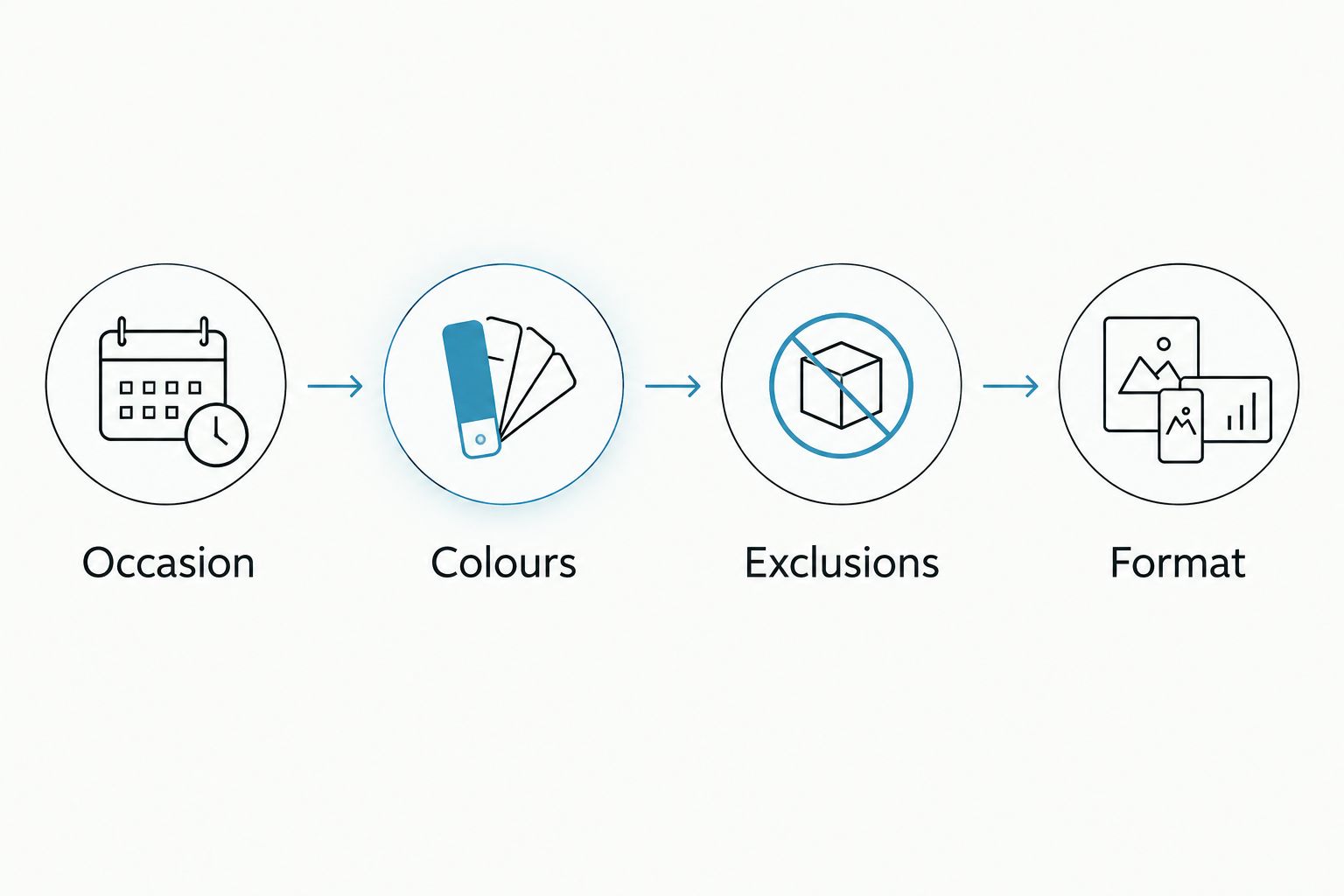
These are briefing choices, not rules about bouquet size. A recipient who loves one particular flower needs a different approach from someone who enjoys a surprise.
Mention pets explicitly. True lilies and daylilies are highly toxic to cats, including exposure to pollen and vase water; a vague request for “pet-friendly flowers” is not a substitute for checking the actual selection.
Delivery and care are part of the gift
Harry's Flowers offers same-day delivery for local London gift-buyers. Confirm the delivery arrangements for your address and date before relying on the gift arriving for a particular occasion.
For your 2026 order, provide a complete address and check that someone can receive the flowers. If the recipient is in a hospital or care home, ask the venue about its flower policy before choosing a bouquet.
Once the flowers arrive, use a clean vase, follow the flower-food instructions and remove leaves that would sit below the waterline. Recut the stems before arranging them, refresh the water regularly and keep the bouquet away from direct heat.
Do not judge every flower by the same lifespan. A mixed bouquet contains different stems, so remove individual flowers as they fade instead of waiting for the whole arrangement to deteriorate.
How we ranked these bouquet choices
The ranking prioritises recipient fit, seasonal flexibility and a clear gift purpose. Florist choice comes first because it directly answers the need for a mixed seasonal selection without requiring the buyer to prescribe every flower.
The remaining options serve distinct preferences: spring tulips, soft-coloured roses and hydrangeas, warm autumn colours, and restrained winter white. This is a buying guide by use case, not a claim that these bouquets were tested against one another.
Which mixed seasonal flower bouquet should you choose?
Choose the florist-choice mixed hand tie if you are undecided. Harry's Flowers identifies its mixed hand tie as a seasonal selection, making it the closest fit for a gift-buyer who wants the florist to choose the stems.
Choose a more specific style only when you have a reason: favourite tulips, a love of soft pink, warm autumn colours or a preference for white. The recipient’s taste beats a generic seasonal theme.
FAQ
What's the best mixed seasonal flower bouquet for year-round gifting?
A florist-choice mixed hand tie is the best default when you want seasonal flower selection without prescribing individual stems. Harry's Flowers describes its mixed hand tie as a seasonal arrangement selected by its florists on the day.
Does a mixed bouquet always contain seasonal flowers?
No. Mixed describes a combination of flowers, while seasonal concerns their flowering period or the florist's seasonal selection. Ask what seasonal means for the bouquet you are ordering.
Are seasonal bouquets always British-grown?
No. Seasonal and British-grown are separate descriptions. Ask about growing origin if British-grown flowers are essential to your gift.
What's a good mixed bouquet for a spring birthday?
A tulip-led mixed bouquet is a good choice for a spring birthday recipient who likes tulips. Keep the supporting colours and flowers simple so the tulips remain the main feature.
Is a florist-choice bouquet better than a named flower combination?
Florist choice is better when you want flexibility; a named combination is better when particular flowers matter. Give the florist any essential colour preferences and exclusions before ordering.
Can I get a seasonal bouquet delivered the same day in London?
Harry's Flowers offers same-day delivery for local London gift-buyers. Confirm the arrangements for the delivery address and date before relying on arrival for your occasion.
How do I care for a mixed flower bouquet after delivery?
Put the flowers in a clean vase, follow the flower-food instructions and remove submerged leaves. Refresh the water regularly, keep the bouquet away from heat and remove individual flowers as they fade.
What should I ask before sending mixed flowers to a home with cats?
Ask for the actual flower selection to be checked for cat safety and explicitly exclude true lilies and daylilies. These plants are highly toxic to cats, and pollen and vase water also present a danger.
One last thing
Seasonal does not mean identical. The useful consistency is the brief: the recipient’s colours, the occasion and the flowers to avoid. Keep those details steady and let the mix change rather than trying to reproduce one photograph throughout the year.